
A Counter-Intuitive Method to Double Your Produce Shelf Life
It’s a common frustration: you buy fresh produce with the best intentions, only to find it wilting, molding, or spoiling within days. The average household wastes a significant amount of food annually, and a large portion of that is fresh fruits and vegetables. But what if a simple, counter-intuitive change to your storage routine could dramatically extend the life of your groceries? What if what looks like a potential mistake is actually a smart hack?
It’s a common frustration: you buy fresh produce with the best intentions, only to find it wilting, molding, or spoiling within days.
The Counter-Intuitive Hack: A Vinegar Wash for Berries
One prime example of the weird hack that looks like a mistake but doubles the life of your produce involves delicate fruits like berries. Most of us are taught to never wash berries until just before consumption to avoid accelerating spoilage. However, a slightly different approach can yield surprisingly longer freshness.
How This "Mistake" Actually Works
The key issue with berries, and many other fruits, is mold and bacteria. They thrive in moisture and can quickly spread, turning a fresh batch into fuzzy waste. A dilute vinegar solution acts as a mild antimicrobial agent, killing mold spores and bacteria without affecting the taste of the fruit.
As explained by sources like Good Housekeeping, the trick isn't just the wash, but the meticulous drying afterward. Removing excess moisture is crucial to prevent new mold growth. This method might seem counter-intuitive because you're introducing moisture (the wash) before trying to keep them dry, but the sanitizing step makes all the difference.
Step-by-Step Guide: Extend Berry Life
Here’s how to implement this simple yet effective method:
- Prepare the Solution: In a large bowl, mix one part white vinegar with three parts water. For example, 1 cup vinegar to 3 cups water.
- Wash Gently: Add your berries (strawberries, blueberries, raspberries, blackberries) to the solution. Swirl them gently for about 30 seconds to a minute. Do not soak them for too long.
- Rinse Thoroughly: Drain the berries in a colander and rinse them very well under cool, running water. This removes any residual vinegar taste.
- Dry Meticulously: This is the most crucial step. Spread the clean, rinsed berries in a single layer on paper towels or a clean kitchen towel. Let them air dry completely for at least 30 minutes, or gently pat them dry. Any lingering moisture will negate the benefits.
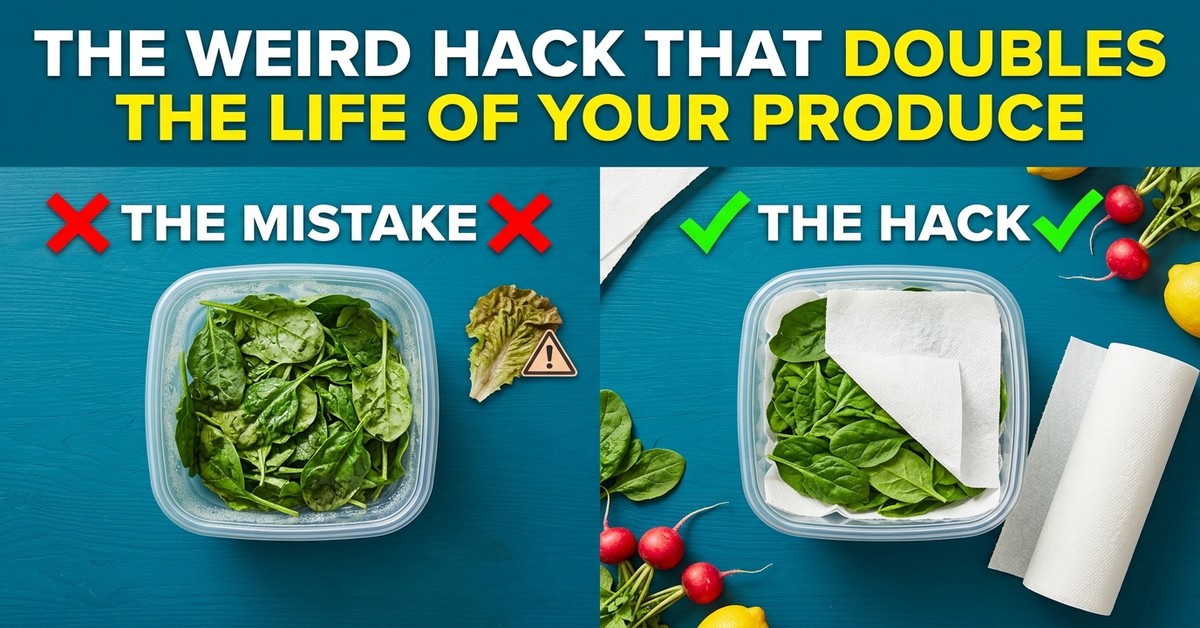
- Store Properly: Once completely dry, transfer the berries to a clean, airtight container lined with a fresh paper towel. Leave the lid slightly ajar or poke a few small holes for minimal air circulation. Store in the refrigerator.
Beyond Berries: General Tips for Produce Longevity
While the vinegar wash is excellent for berries, other produce benefits from different counter-intuitive techniques:
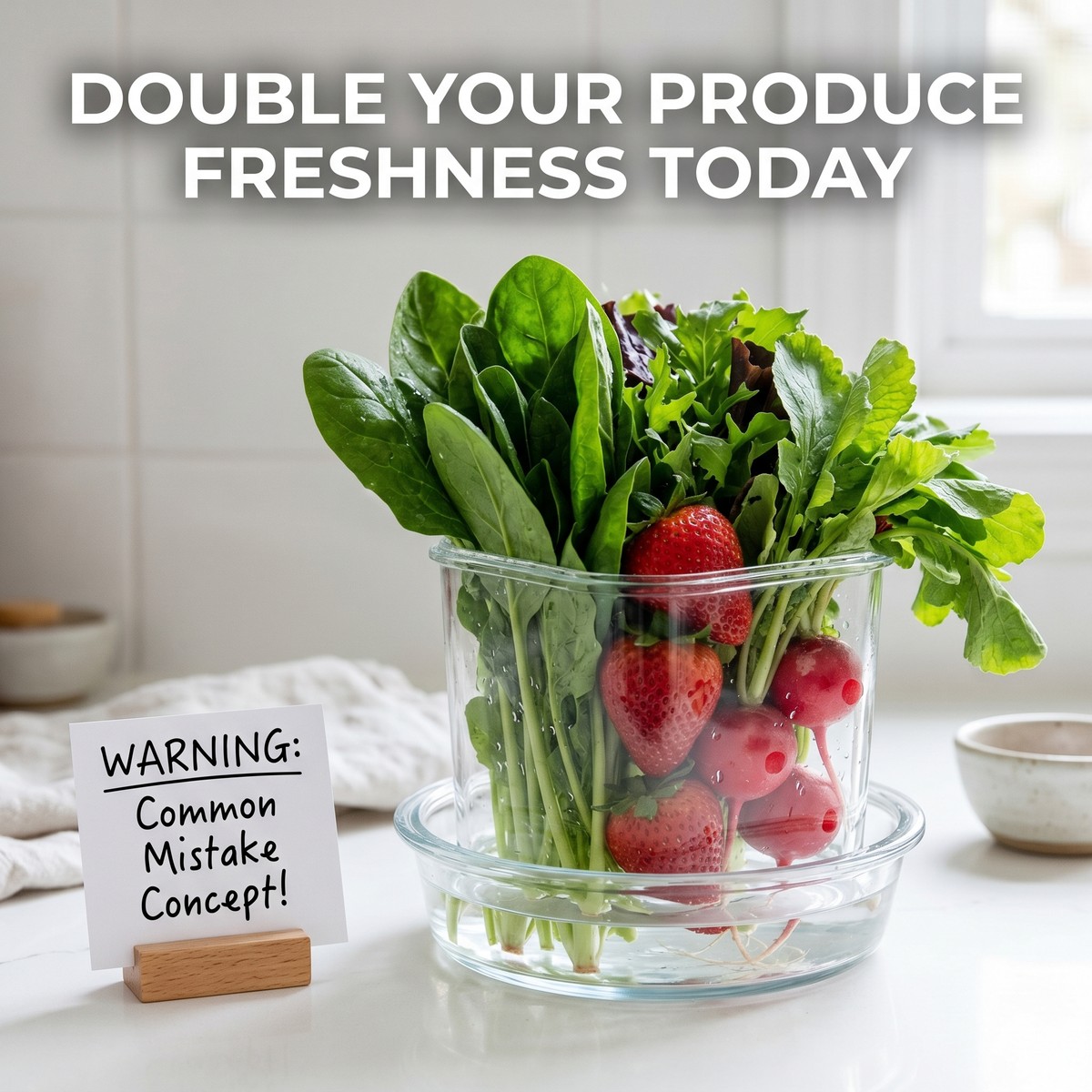
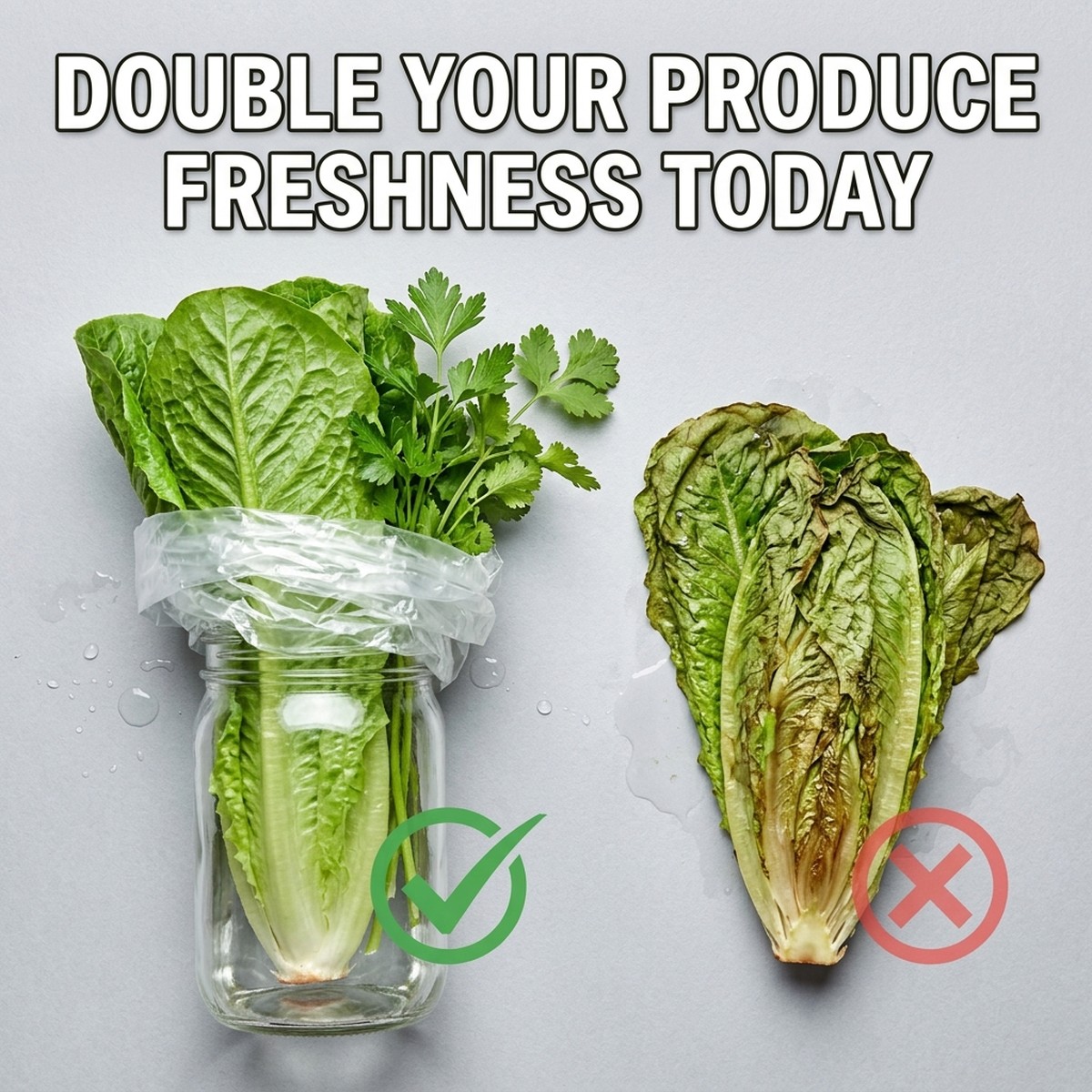
- Herbs: Treat fresh herbs like a bouquet of flowers. Trim the stems, place them in a jar with a little water, and cover loosely with a plastic bag before refrigerating.
- Leafy Greens: Wash, dry thoroughly, and store in a container lined with paper towels to absorb excess moisture. Change paper towels if they become damp.
- Root Vegetables: Store potatoes and onions in cool, dark, dry places, but always separately. Potatoes release ethylene gas that can cause onions to sprout faster.
- Avocados: To ripen, place in a paper bag with an apple or banana. To slow ripening, place in the refrigerator. WikiHow suggests storing cut avocados with onion to prevent browning (though this can impart flavor).
Save Money, Reduce Waste
Adopting these small, often unexpected, changes to your produce storage can lead to significant savings and a reduction in food waste. By understanding the science behind food spoilage, you can keep your fruits and vegetables fresher for longer, ensuring you get the most out of every grocery trip. It might look a little different than what you’re used to, but the results speak for themselves.