
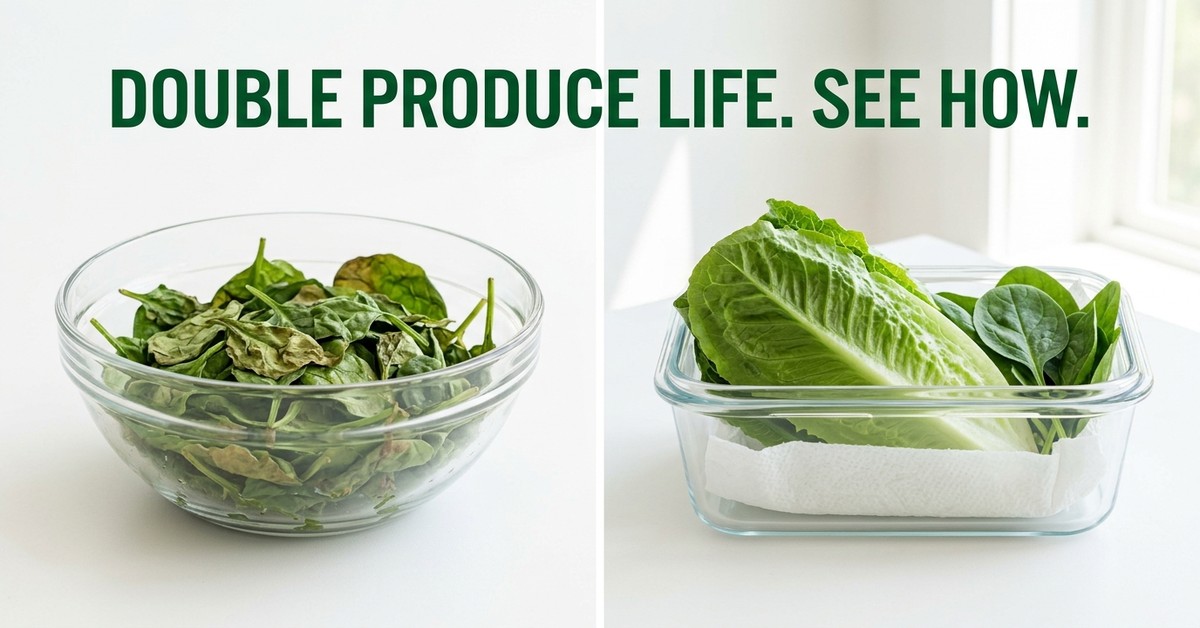
Extending Produce Shelf Life: A Counter-Intuitive Method That Works
Food waste is a significant issue for many households, with fresh produce often being the first to spoil. We meticulously select the best fruits and vegetables, only to find them wilting or molding days later, long before we've had a chance to enjoy them. This not only leads to wasted money but also contributes to environmental concerns.
The quest for extending the life of fresh produce is ongoing, and while many conventional tips exist—like keeping certain items separate or using specific containers—some of the most effective methods are surprisingly counter-intuitive. They might even look like an oversight or a slightly odd way to store things, yet their results are often remarkable.
Food waste is a significant issue for many households, with fresh produce often being the first to spoil.
An Unconventional Approach to Produce Longevity
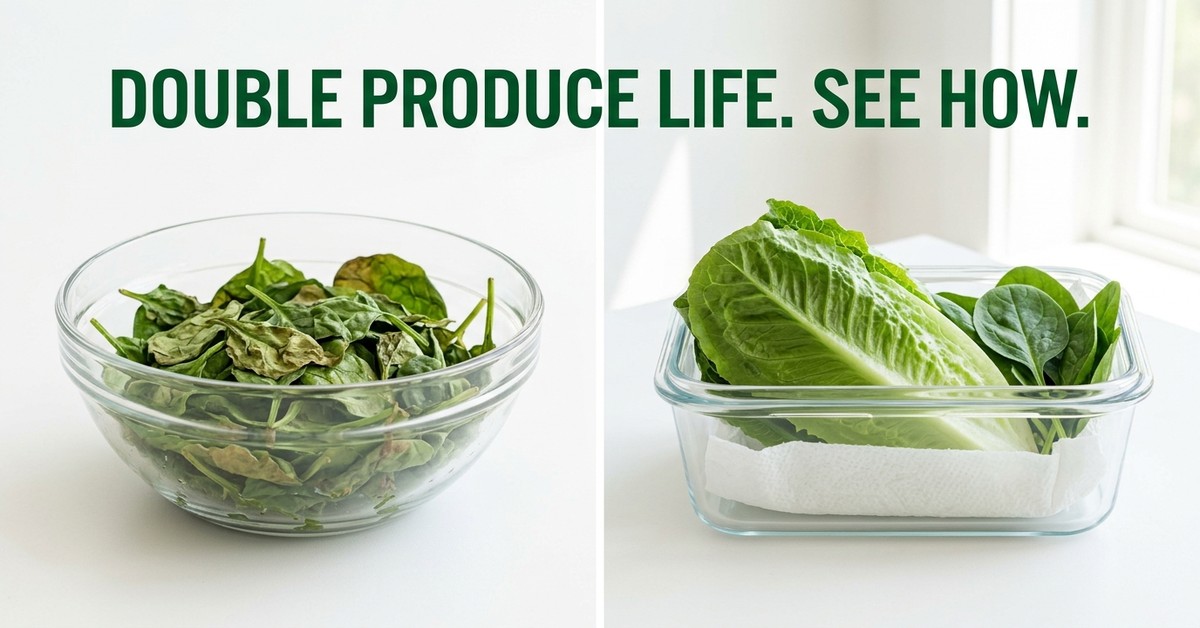
What if a simple adjustment, one that goes against common storage instincts, could significantly prolong the freshness of your groceries? The core principle often revolves around meticulously managing moisture and air exposure, but in ways you might not expect. Here are a few examples of how these subtle shifts make a big difference, transforming the typical "before" (wilted, sad produce) into a vibrant "after" that lasts much longer.
Leafy Greens: Beyond the Bag
Think about lettuce, spinach, or kale. Many people simply toss them into a crisper drawer in their original packaging. However, a highly effective technique involves separating the leaves (or simply unwrapping the head), washing them thoroughly, drying them completely (a salad spinner is ideal), and then wrapping them loosely in paper towels before placing them in an airtight container or a large, sealable bag. The paper towels absorb excess moisture, which is the primary enemy of crisp greens, preventing rot without dehydrating them. You’ll see a dramatic difference in how long your greens stay firm and vibrant.
Berries: A Quick Wash and a Dry Bed
Berries are notoriously delicate. Often, they spoil rapidly, even when refrigerated. A method that might seem unusual but delivers impressive results is to gently wash your berries (strawberries, blueberries, raspberries) in a diluted vinegar solution (about one part white vinegar to three parts water) immediately after bringing them home. Rinse them thoroughly under cool water to remove any vinegar taste, and then—crucially—spread them out on a clean towel or paper towels to air dry completely. Once dry, line an airtight container with fresh paper towels, place the berries inside, and cover them loosely with another paper towel before sealing. This approach eliminates mold spores and controls moisture, extending their freshness considerably, as documented by various home economics guides, including tips often shared by sources like Good Housekeeping.
Fresh Herbs: The Bouquet Method
Fresh herbs like cilantro, parsley, or basil often wilt within days. Instead of leaving them in their plastic clamshells or bags, treat them like a bouquet of flowers. Trim the ends of the stems, place them upright in a glass jar with about an inch of water, and then loosely cover the entire setup with a plastic bag. Place this in the refrigerator. The water keeps the stems hydrated, while the bag creates a humid microclimate, keeping leaves crisp and green for weeks. WikiHow details similar practical kitchen tips that leverage simple physics for impressive results.
These methods might initially seem like an extra step or even a "mistake" compared to just tossing things in the fridge, but the visual evidence of produce lasting twice as long, often more, speaks for itself. By understanding and subtly manipulating the environment around your fresh produce, you can drastically reduce waste and enjoy fresh ingredients for much longer.