
The Unconventional Method That Doubles Your Produce's Shelf Life
There's nothing quite as frustrating as buying fresh, vibrant produce only to find it wilted, bruised, or moldy just a few days later. We all strive to eat healthier and reduce food waste, but often our best intentions are thwarted by the short shelf life of fruits and vegetables. Many people simply place their groceries into the crisper drawer, assuming that's the best approach. While better than leaving them out, this standard method often falls short of maximizing freshness.
There's nothing quite as frustrating as buying fresh, vibrant produce only to find it wilted, bruised, or moldy just a few days later.
The "Mistake" We All Make (and an Unexpected Fix)
For years, conventional wisdom suggested that putting produce in plastic bags was the best way to keep it fresh. But for certain items, this can actually trap too much moisture, accelerating decay. Or, conversely, allowing too much air can dry them out. The key often lies in understanding the specific needs of each type of produce—a nuance often overlooked. We're about to explore an unconventional strategy that might look like a 'mistake' at first glance, but consistently delivers a dramatically extended shelf life.
This strategy isn't about expensive gadgets or chemicals. It's a simple, visual adjustment to how you store everyday items. It hinges on creating the perfect micro-environment for specific fruits and vegetables, often by using common household materials in ways you might not expect. This approach has been known to double, or even triple, the useful life of your produce, allowing you to enjoy your greens, herbs, and veggies for much longer.
How This Method Works: A Visual Guide to Fresher Produce
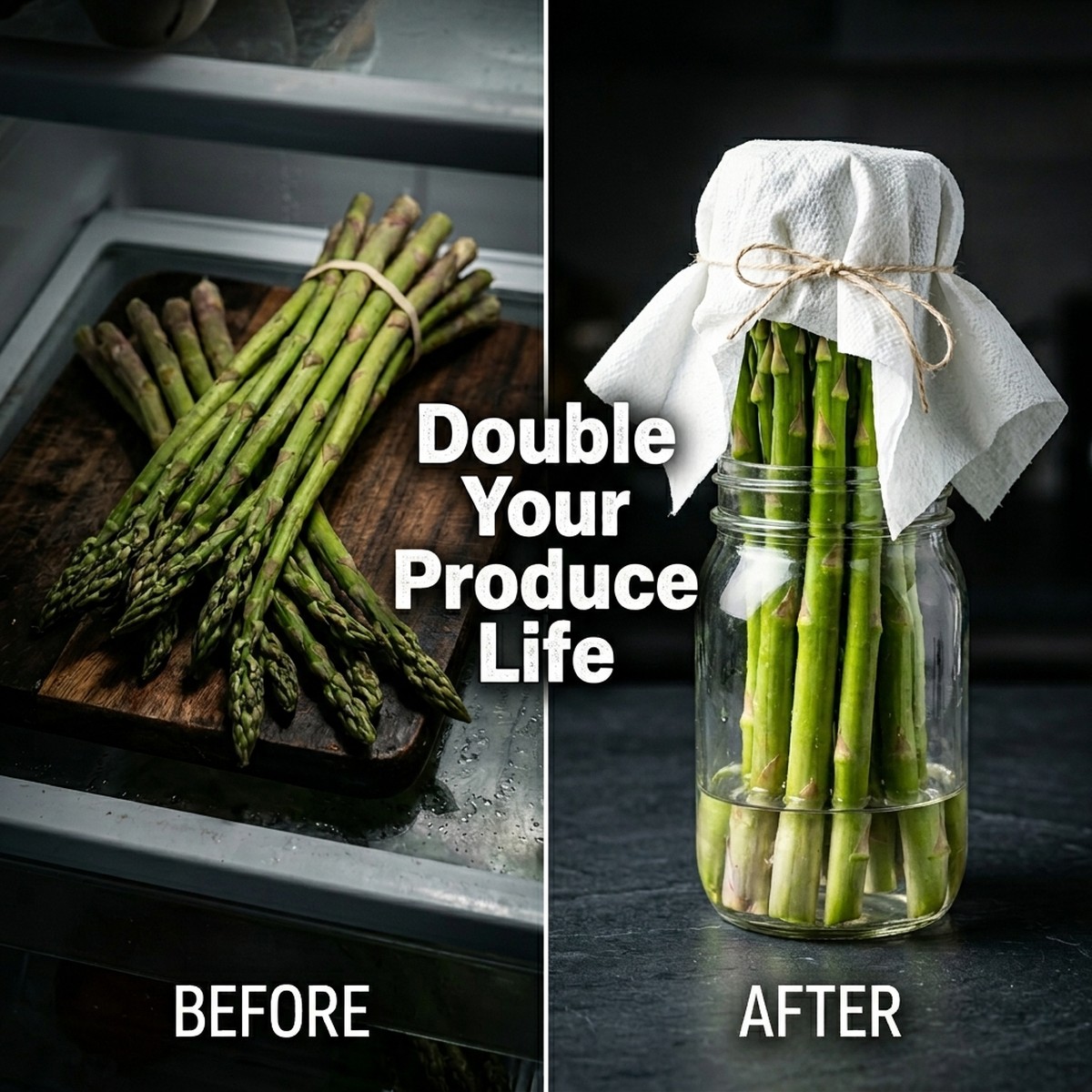
The core principle involves managing moisture and airflow precisely. Some produce thrives with more moisture, while others need a controlled, breathable environment. The "hack" involves tailoring the storage method to these needs, often in a way that seems counter-intuitive compared to simply tossing everything into a drawer.
- Crisp Celery & Broccoli: Instead of a plastic bag, wrap these tightly in aluminum foil before placing them in the refrigerator. This allows them to "breathe" slightly while retaining essential moisture, preventing them from going limp. According to sources like Good Housekeeping, this simple foil wrap can keep celery crisp for weeks.
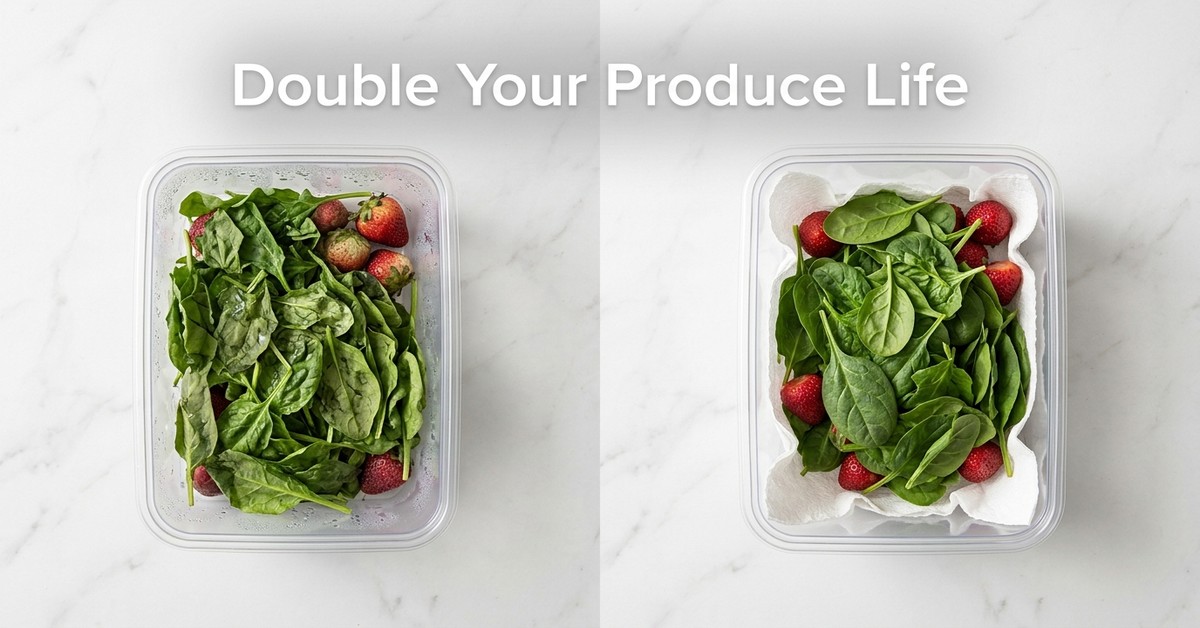
- Leafy Greens (Lettuce, Spinach, Kale): Wash and thoroughly dry your greens. Then, place them in a container or a sealable bag with a paper towel. The paper towel absorbs excess moisture that can lead to spoilage. Change the paper towel every few days if it becomes too damp. This technique dramatically extends their freshness.
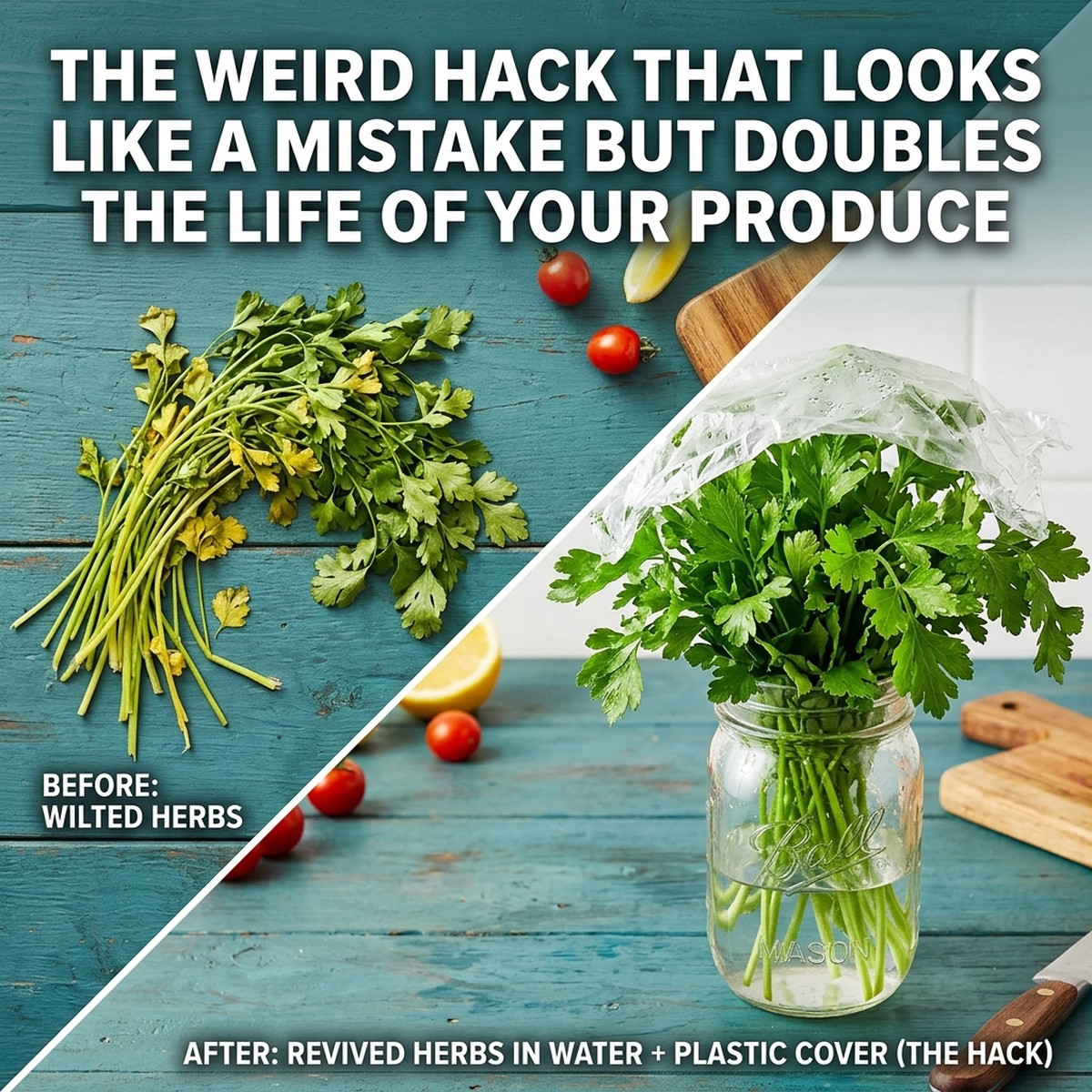
- Fresh Herbs (Cilantro, Parsley, Basil): Treat them like a bouquet of flowers! Trim the stems and place them upright in a glass of water on your counter (for basil) or in the refrigerator (for cilantro and parsley), covering them loosely with a plastic bag. WikiHow provides excellent visual guides for this method, showing how herbs can last significantly longer.
By making these small, yet impactful, visual changes to your produce storage routine, you're actively combating the main culprits of spoilage: excess moisture, insufficient moisture, and improper airflow. It’s a subtle shift from simply storing to actively preserving.
Visual Challenge: See the Difference Yourself
We encourage you to try one of these methods with a portion of your next grocery haul. For example, store half your celery in a plastic bag as usual, and the other half tightly wrapped in aluminum foil. Observe the difference over the next week or two. The visual evidence of extended freshness will speak for itself, demonstrating how a small, unconventional adjustment can lead to significant savings and less food waste.
Implementing these techniques won't just keep your food fresher; it will also reduce your grocery bill and your environmental footprint. Embrace this simple yet powerful approach to make your produce last longer, transforming your kitchen into a haven of vibrant, accessible ingredients.